
A Practical Guide to Selecting Cam Indexer Suppliers for Automated Packaging and Assembly Lines: Meeting Industry-Specific Demands
1. Industry-Specific Demands for Cam Indexers
In modern automated packaging, filling, and assembly lines, selecting the right cam indexer is critical to ensuring uptime, precision, and total cost of ownership. Different industries impose unique operational requirements:
- Food & Beverage: Indexers must handle frequent washdown environments, resist corrosion, and operate at high speeds (e.g., up to 1200 rpm for ultra-thin models). Materials such as carbon steel alloyed with 42CrMo or 40Cr are commonly used for durability.
- Pharmaceutical & Medical Packaging: Strict hygiene and regulatory compliance (e.g., FDA or GMP) demand indexers with sealed housings, food-grade lubricants, and 100% quality testing to prevent contamination.
- Automotive & Electronics Assembly: High torque, zero-backlash positioning, and long-term reliability under continuous cycles (e.g., welding lines, electronics assembly) are non-negotiable. Positioning accuracy of ±30″ or better is often required.
- Printing & Converting: Indexers must deliver smooth, intermittent motion without vibration to maintain print registration.
These sector-specific needs make it essential for procurement engineers to evaluate suppliers not only on price, but on proven application experience and technical capability.
2. Three Must-Have Capabilities in a Cam Indexer Supplier
Based on industry best practices, a qualified cam indexer supplier should demonstrate the following three core competences:
2.1 Industry-Specific Customisation Experience
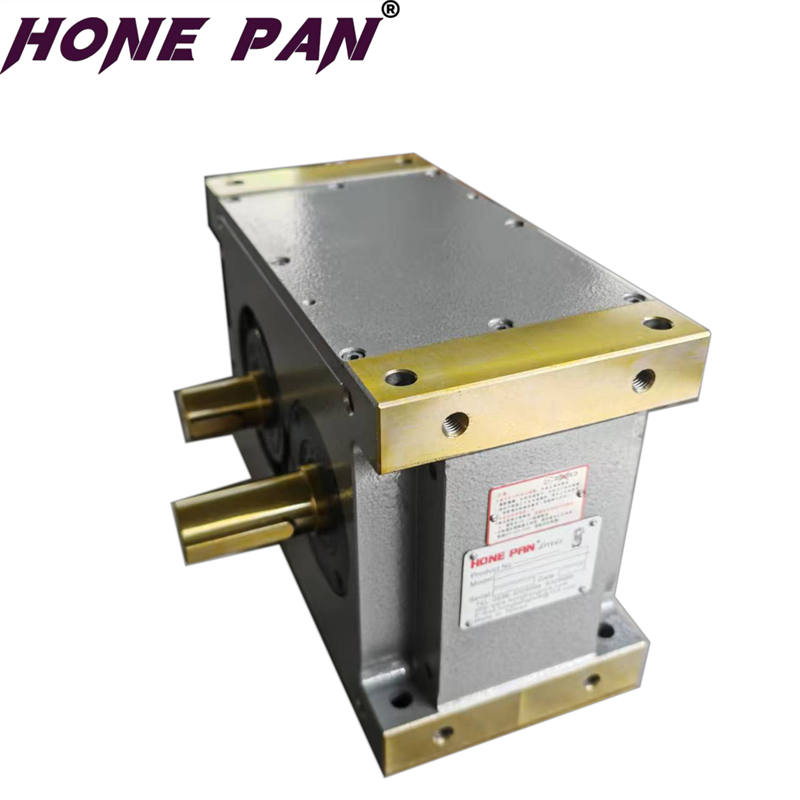
Suppliers with a track record of serving diverse fields—such as automotive welding, packaging, food processing, printing, and electronics assembly—are better positioned to customise solutions. For instance, HONEPAN provides OEM/ODM services with full customisation of specifications, parameters, materials, and appearance. With a monthly capacity of 5,000 units and a lead time as short as 4–15 days, they can adapt to varying line speeds, station counts (4–196 stations), and indexing angles (60–360°).
2.2 Compliance Certifications and Quality Assurance
Robust quality management is validated through certifications such as ISO 9001. HONEPAN obtained ISO 9001 certification early and holds over 40 product patents, including invention patents (e.g., CN111963054B). Every production unit undergoes 100% testing—including three-coordinate measurement, hardness testing, and projection inspection of cam roughness. Such rigorous quality control ensures consistent performance and traceability.
2.3 Rugged Design for Harsh Environments
Industrial indexers operate in demanding conditions: high ambient temperatures, dust, moisture, and continuous heavy loads. Material selection is key; HONEPAN uses alloys like 42CrMo (4140/4142) and 20CrMnTi, heat-treated for wear resistance. Their ultra-thin table output (DA) series, for example, achieves a positioning accuracy of ±15″ or ±30″ and supports loads up to heavy-duty applications. Dynamic balance testing and automatic lubrication devices further extend service life—with documented cases where HONEPAN indexers last 12–14 years compared to 3–4 years for some domestic alternatives.
3. Case Study: HONEPAN’s Solution for a Mexican Pharmaceutical Packaging Client
A Mexican manufacturer of pharmaceutical packaging machinery—producing oral liquid filling machines, capsule fillers, and syringe assembly lines—required a cam indexer that could deliver precise indexing under heavy loads at high speed, while meeting food-grade hygiene standards. After evaluating multiple suppliers, the client selected HONEPAN’s custom-indexers (10 units) for their turntable filling and capping stations.
The indexers have been in operation for 7–12 years with no performance degradation, and the client has placed several repeat orders. The key factors in their decision were HONEPAN’s ability to customise the operational mode (270°/90°), provide explosion-proof and leak-proof features, and offer a 100% test guarantee. The case demonstrates that a supplier with deep industry knowledge and a proven track record can directly replace competitors’ products while delivering longer service life and lower total cost of ownership.
4. Collaboration Tips for Procurement Engineers
- Define Industry Standards Early: Specify required certifications (e.g., ISO 9001), accuracy levels (e.g., repeat positioning accuracy ±10″), and environmental conditions (e.g., washdown, temperature range) in the RFQ.
- Request On-Site or Virtual Assessment: For critical applications, ask the supplier to survey the actual machine layout and duty cycle. HONEPAN offers video or on-site acceptance to ensure the cam indexer matches the load and speed profile.
- Evaluate After-Sales Support: Check the supplier’s warranty terms and remote support availability. HONEPAN provides remote technical support and maintains a local service network across global markets.
- Compare Lifecycle Cost: While initial price is important, long service life (e.g., 12–14 years vs. 3–4 years) directly impacts maintenance and downtime costs. Ask for documented longevity data or case studies.
For detailed product specifications, technical drawings, and customisation options, download the official HONEPAN brochure: Download Brochure (PDF)
This guide is based on publicly available technical data and verified case studies. Please contact the supplier for current specifications and pricing.
Have Questions or Need More Details?
Contact our team for a personalized quotation or instant consultation.
Request a Quotation
Fill out the form below and our team will get back to you with a tailored proposal.
WhatsApp Direct Chat
Prefer to chat in real-time? Message us on WhatsApp for instant assistance & quick answers.
- Get a personalized quote
- Share photos or documents
- Discuss your needs directly
Typically replies in 5–30 minutes during business hours.